

Introduction
BMW transmission issues can start small but can get expensive soon. You might see your car move later than it should, experience automatic transmission problems like hard shifting, or spot a leak before the whole thing breaks down. This is why Euromotive Performance is the BMW mechanic that people in South Florida trust for clear answers and no guessing. When it comes to transmission problems, getting service early can keep you from having to get a full transmission replacement. If you live in or near Pompano Beach and own a BMW, knowing the basics helps you keep your car running well and helps you stay away from high repair costs.
Understanding BMW Transmission Service Procedures
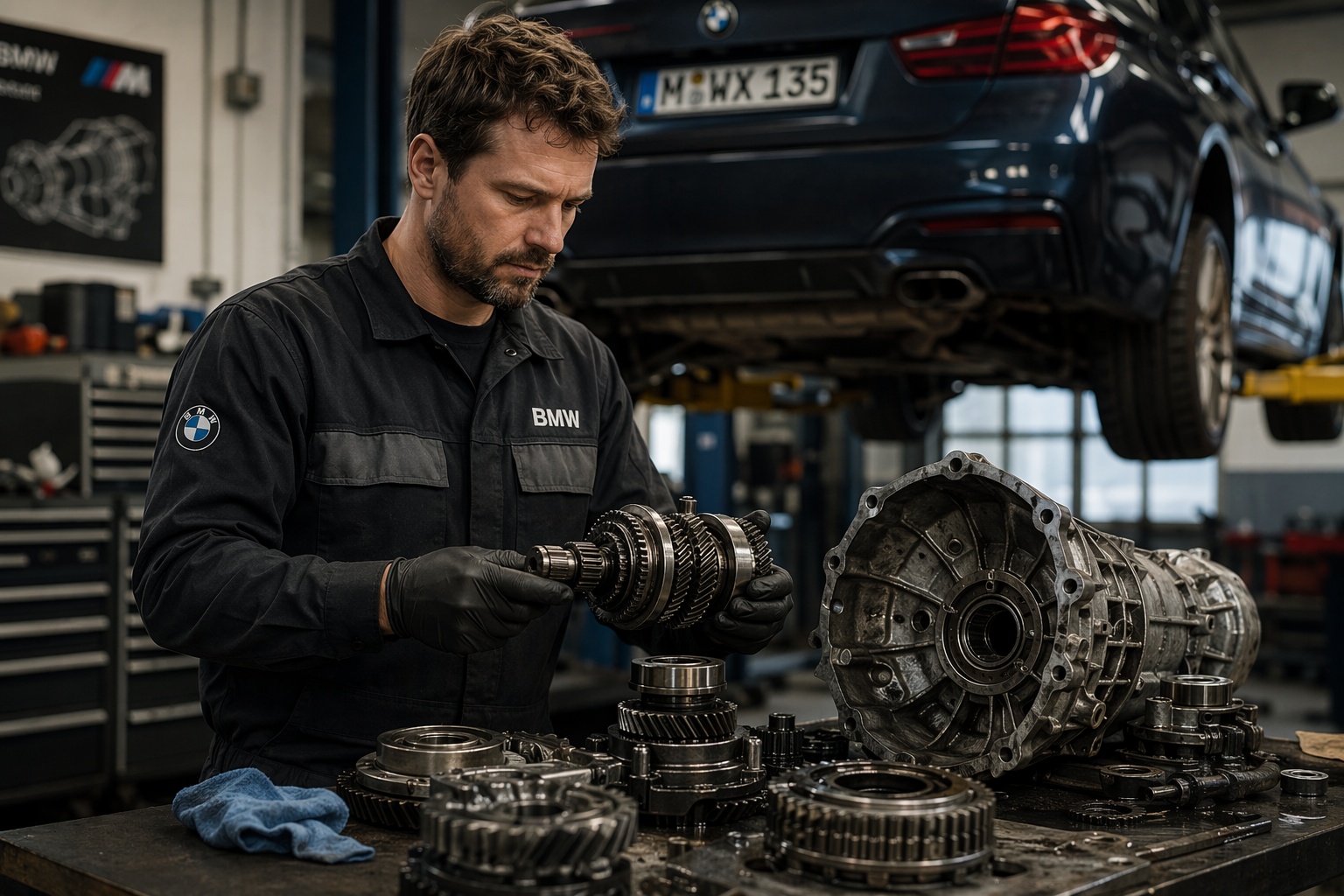 BMW transmission service depends on what the problem is, the type of transmission you have, and how the fluid looks. For a manual transmission, most problems come from the clutch system or gearbox. But automatic transmission issues are more hard to fix since there are more parts in it. The shape of the transmission filter and fluid can tell you a lot about what is going on.
Most of the time, Euromotive Performance will say it is best to check your service needs before you get a small leak or start to see other problems with how your BMW drives. If you want a short answer for when to change fluid, it is different for each type of transmission. For BMW transmission issues, you should look at the shape of your car, when you last did service, and what the transmission’s computer is telling you.
Why Regular Transmission Fluid Changes Matter for Your BMW
Fresh transmission fluid helps the system work the way it should. A transmission fluid flush takes out the old transmission fluid and puts in new fluid. This helps the transmission be clean and lets it run better with good hydraulic performance. Euromotive Performance says that if you do not change this fluid, it can make transmission issues harder to find because old, worn fluid does not protect or do its job like new fluid does.
This is even more true for automatic transmissions. The fluid does more than just cut down on friction. It also helps with shifting, inside pressure, and keeping heat down. Your type of transmission matters a lot. That is why you should not follow a “one-size-fits-all” plan for your service.
Some dealer service shops may not tell you to change the fluid too often, because their service steps or policies are different. Still, Euromotive Performance wants BMW owners in South Florida to check the fluid’s condition and how the car acts, not just guess. If the old transmission fluid is no good anymore, putting in new fluid can help and prevent more costly problems.
Factors That Influence BMW Transmission Fluid Change Frequency
There is no one answer for all BMW cars when it comes to how often you should get a transmission fluid change. Many things can play a part in this. At Euromotive Performance, they check each BMW to see what it needs. BMW models are not all the same, and things like how you drive and your car’s service record make a difference. Warning signs can also point to when it is time to change the transmission fluid.
Prices for a BMW transmission fluid change can be different for each person. It depends on your BMW model, the style of your car, and if other parts, like a faulty transmission pan, need work. If there is damage to the fluid lines or signs of other problems, it can take more time and cost more.
Here are some things that can change what the service will need:
- The BMW models you own and the design of the transmission
- The style of your car and how you use it when you drive
- The extent of damage that is there now
- The condition of the fluid lines, seals, and other parts around them
DIY Transmission Fluid Change: Guidance from Euromotive Performance
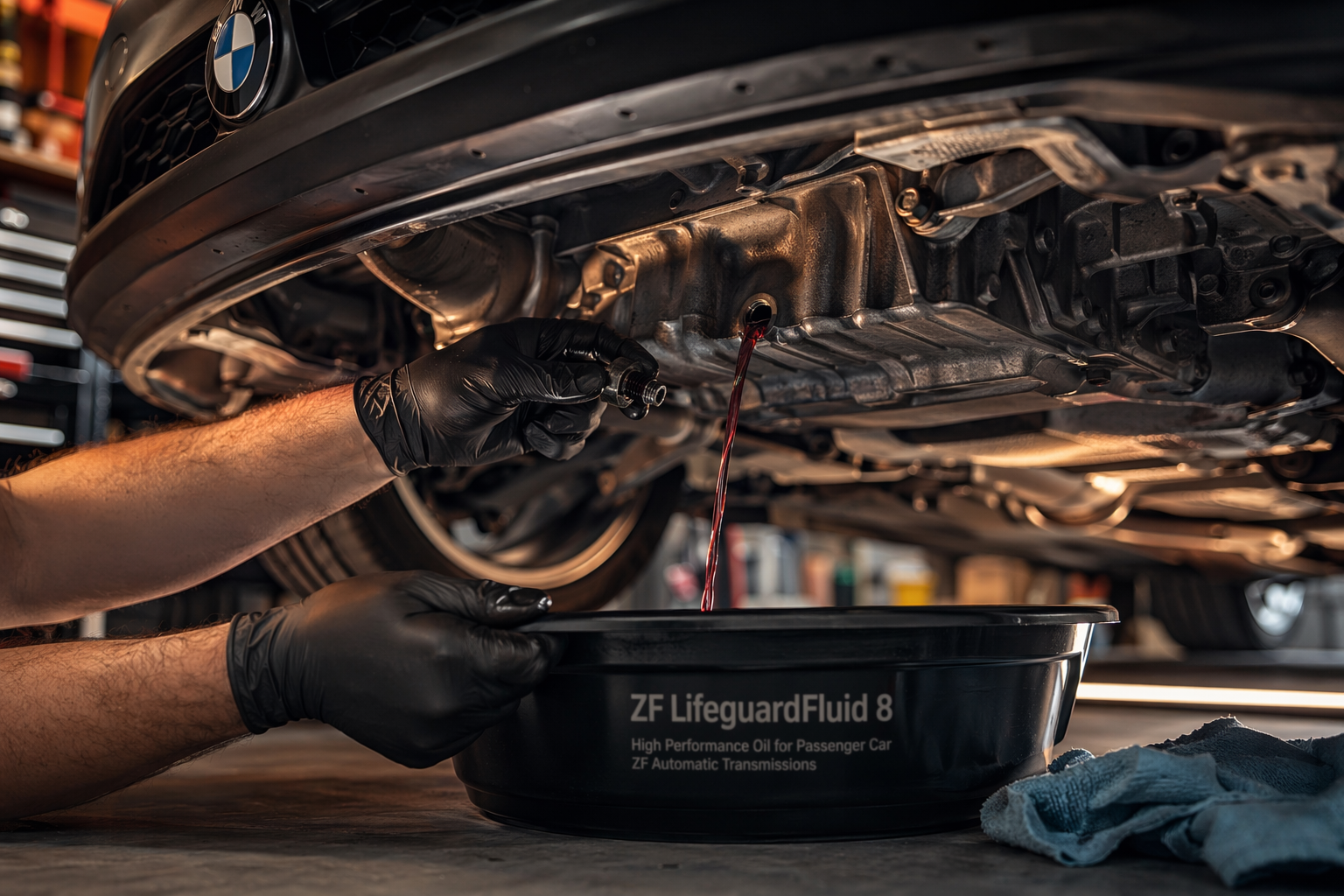 Yes, some owners can do a transmission fluid flush by themselves, but they need to be careful. Euromotive Performance says you should know your BMW’s system before you start. Even doing a basic transmission fluid service can show other big transmission problems or let you see a clogged transmission filter.
This is important because not all problems are about the fluid. A BMW mechanic might find out that what you think is just old fluid is instead a need for transmission solenoid replacement, a leak, or worn out linkage that could potentially develop into big leaks. It is good to know the steps, the tools you need, and when you should stop and call someone who knows more about these things.
Step-by-Step BMW Transmission Fluid Change Process
The basic steps start with getting safe access to the car. You need to find out where the transmission drain and fill points are. Euromotive Performance says be careful here. What seems like a simple job can change fast if you run into things like a broken drain plug, contamination, or stripped hardware. If you find a broken drain plug, it is best to stop, or you may cause even more trouble.
A good fluid service may include:
- Drain all the old fluid
- Check the transmission filter if the type let you do this
- Fill with the right new fluid
- Look for looseness in the transmission linkage
- Make sure the gearshift lever moves in and out of gear
- Check for leaks after you fill it up
Once you do all that, test how it works. If the transmission still slips, bucks, or takes too long to go into gear, the issue might not just be about fluid. At this stage, Euromotive Performance can check the system to see if there are problems with anything like internal wear, control faults, or the linkage.
Essential Tools and Safety Tips for BMW Transmission Service
Before you start a transmission fluid flush, be sure your car is safe and on a flat surface. Work on BMW transmission often means you need to look under the car, so safety is most important. Euromotive Performance says you should stop right away if you see damage or if you notice leaks.
Watch these main trouble spots:
- Fluid lines for any wear or a cracked fluid line
- Pan edges for a bad gasket
- Sealing points to check for leaky seals
- Areas near the transmission for fresh fluid left behind
The point is not just to change the transmission fluid. You also want to find problems early, so they do not become big repairs. If you find issues with fluid lines, leaky seals, or the pan, fixing it yourself at home may not be enough. That is where Euromotive Performance helps when it comes to European auto repair Pompano Beach and auto repair Pompano Beach drivers who want someone who really knows about BMW cars.
Signs Your BMW Needs Transmission Repair or BMW Transmission Rebuild
Some common warning signs of transmission issues are easy to miss at first. Your BMW might shift slowly. It may not move into a forward gear, or it could jerk when you drive. The car might feel weak, even if you press harder on the gas. A transmission leak is also a clear sign that you should not wait to fix, as small leaks can lead to bigger problems down the road.
Euromotive Performance helps people in South Florida know the difference between each transmission repair and problems that need a transmission replacement. In most cases, the sooner you handle transmission issues, the better the chance to stop damage and avoid a high bill later on.
Common BMW Transmission Problems & Diagnostic Indicators
BMW transmissions tend to show patterns. Manual cars often develop clutch or gearbox complaints, while automatics can suffer from delayed engagement, harsh operation, or no forward movement. Euromotive Performance uses these diagnostic indicators to narrow down the highest number of issues and the underlying cause before recommending repair or replacement.
Here is a practical text table of the most common problems and what they may suggest:
| Symptom | Likely area to inspect |
|---|---|
| Difficulty switching gears | Clutch system or gearbox |
| Grinding or crunching sound | Manual transmission problems or clutch wear |
| Slow move after selecting Drive | Automatic transmission issues or hydraulic delay |
| No movement in forward gear | Internal fault, control issue, or major wear |
| Bucking or kicking while driving | Common causes include fluid or control problems |
| Fluid under vehicle | Leak from seals, pan, lines, or torque converter pump |
In some cases, the transmission’s computer may point toward electrical control concerns. In others, the issue is mechanical. Common causes include leaks, internal wear, or damage around the torque converter pump, and each one calls for a different repair path.
Conclusion
To sum up, it is important to take care of your BMW’s transmission for the best drive and to help it last longer. The good news is that you can make this easier by ensuring you change the fluid on time and pay attention to any signs that show your car needs repair. This can help you avoid big and costly issues later. If you use the DIY tips from Euromotive Performance, you can help keep your transmission in top shape. You will also grow your car knowledge. Taking good care of your BMW does not just make it run better, but it will also help it stay with you for many more years. If you need expert help or want more advice about BMW care, do not wait to contact us at Euromotive Performance. We are always here for you in South Florida when it comes to European auto repair.
Frequently Asked Questions
Can I perform a BMW transmission fluid change myself?
Yes, some people can do a transmission fluid flush on their own. This is only true if they know enough about their BMW models, have safe tools to use, and pick the right new fluid. The type of transmission is very important. You also need to look at the fluid lines to make sure they are in good shape. If you see anything that looks bad or you feel unsure, it is better to let Euromotive Performance take care of it.